PSLV XL
PSLV familyIndian Space Research OrganizationActive
PSLV-XL | EOS-10 (Oceansat-3A)
PSLV-XL is the upgraded version of Polar Satellite Launch Vehicle in its standard configuration boosted by more powerful, stretched strap-on boosters with 12 tonne propellant load. Weighing 320t at lift-off, the vehicle uses larger strap-on motors (PSOM-XL or S12) to achieve higher payload capability. On 29 December 2005, ISRO successfully tested the improved version of strap-on booster for the PSLV. The first use of PSLV-XL was the launch of Chandrayaan-1 by PSLV C11. The payload capability for this variant is 1,800 kg to SSO.
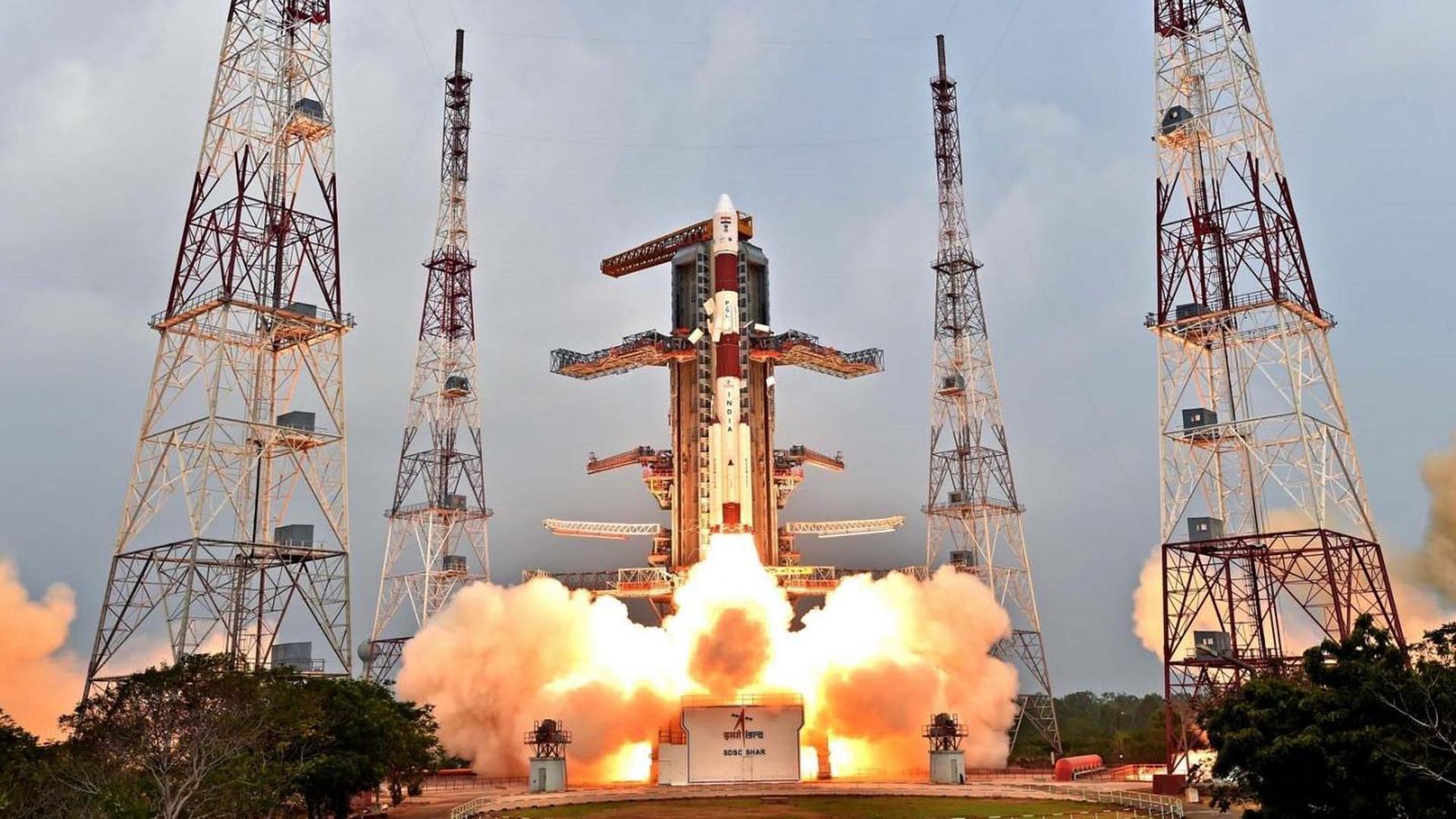
Specifications
- Height
- 44 m
- Diameter
- 2.8 m
- Launch mass
- 320 t
- Stages
- 4
- LEO capacity
- 3,800 kg
- GTO capacity
- 1,300 kg
- SSO capacity
- 1,800 kg
Specifications from Launch Library. Figures the operator has not published are omitted.
Flight record
Counted from padside's own launch record, the same basis as the stats page.