Soyuz 2.1a Fregat-M
Soyuz familyProgress Rocket Space CenterActive
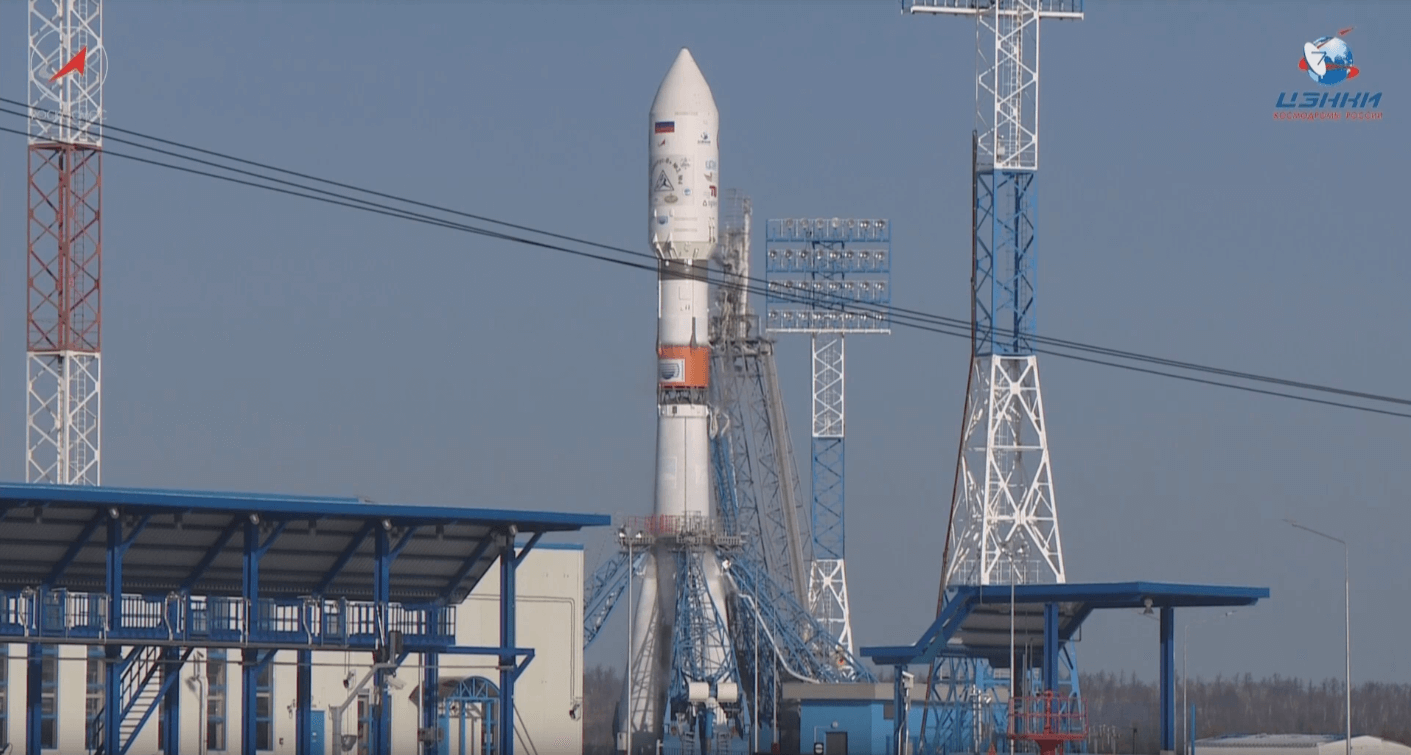
Soyuz 2.1a/Fregat-M | MKA Kinosputnik, KOEN and others
The 2.1a version includes conversion from analog to digital flight control system and uprated engines on the booster and the first stage with improved injection systems. The new digital flight control and telemetry systems allow the rocket to launch from a fixed rather than angled launch platform and adjust its heading in flight. A digital control system also enables the launch of larger commercial satellites with wider and longer payload fairings such as the ST-type fairing. These fairings introduce too much aerodynamic instability for the old analog system to handle.
Specifications
- Thrust
- 4,149 kN
- Height
- 46.3 m
- Diameter
- 2.95 m
- Launch mass
- 312 t
- Stages
- 3
- Launch cost
- $80M
- LEO capacity
- 7,020 kg
Specifications from Launch Library. Figures the operator has not published are omitted.
Flight record
Counted from padside's own launch record, the same basis as the stats page.