Pegasus XL
Pegasus familyOrbital Sciences CorporationActive
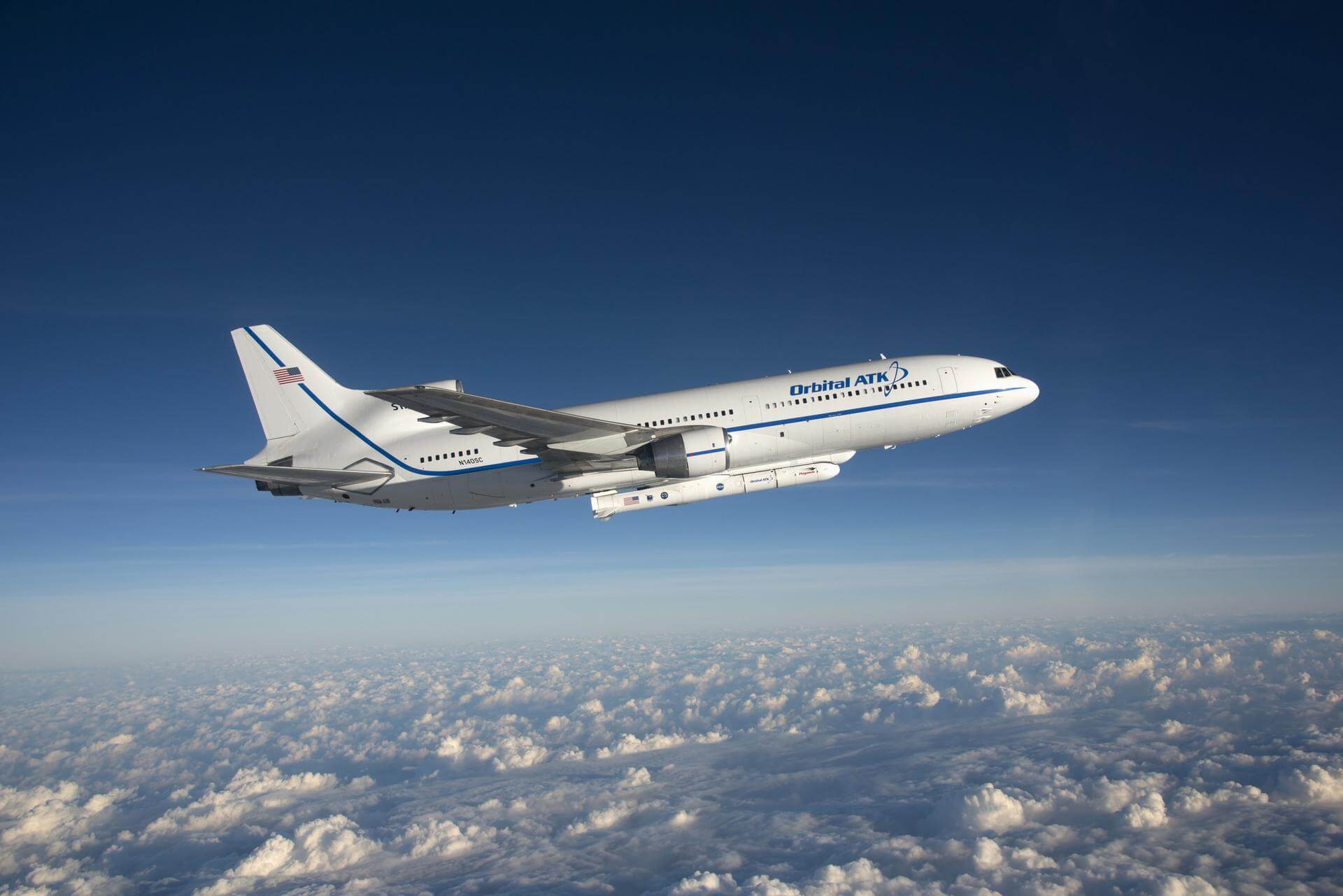
The Pegasus is an air-launched rocket developed by Orbital Sciences Corporation (now part of Northrop Grumman Innovation Systems). Capable of carrying small payloads of up to 443 kilograms (977 lb) into low Earth orbit, the vehicle consists of three solid propellant stages and an optional monopropellant fourth stage. Pegasus is released from its carrier aircraft at approximately 40,000 ft (12,000 m), and its first stage has a wing and a tail to provide lift and attitude control while in the atmosphere.
Specifications
- Thrust
- 580 kN
- Height
- 17.6 m
- Diameter
- 1.27 m
- Launch mass
- 23 t
- Stages
- 3
- Launch cost
- $40M
- LEO capacity
- 443 kg
- GTO capacity
- 0 kg
Specifications from Launch Library. Figures the operator has not published are omitted.
Flight record
32flightswith a definitive outcome
90.6%success rate29 of 32
26success streakcurrent
Counted from padside's own launch record, the same basis as the stats page.