![[AUTO] Long March 6 - image](/media?u=https%3A%2F%2Fthespacedevs-prod.nyc3.digitaloceanspaces.com%2Fmedia%2Fimages%2Flong_march_6_image_20210709074933.jpg&w=1600)
China Aerospace Science and Technology CorporationLong March 6Launch Complex 16, Taiyuan Satellite Launch Center, People's Republic of China
SDGSAT-1
Launched
November 5, 2021

Summary
SDGSAT-1 launched on a China Aerospace Science and Technology Corporation Long March 6 from Launch Complex 16, Taiyuan Satellite Launch Center, People's Republic of China on November 5, 2021. It was China Aerospace Science and Technology Corporation's 342nd launch, 38th this year and humanity's 6,145th orbital launch attempt. It was the 8th Long March 6 flight and the 4th this year. The payload was bound for Sun-Synchronous Orbit (SSO). It reached a 509 × 521 km orbit inclined 97.5°. One object from this launch is catalogued.
- Watch
- No webcast on record.
- Booster
- No booster details on record.
- Mission
- Earth Science · Sun-Synchronous Orbit (SSO)
- Milestone
- 8th Long March 6 flight · 4th this yearChina Aerospace Science and Technology Corporation's 342nd launch38th this yearhumanity's 6,145th orbital launch attempt108th orbital launch attempt this year
Flight preview
Orbit: as tracked
SDGSAT-1 · NORAD 49387 · 2021-100 · Space-Track
Show the numbers for orbit elements
- Object
- TBA - TO BE ASSIGNED
- Object ID
- 2021-100A
- Epoch
- 2021-11-05 05:18:04 UTC
- Mean motion
- 15.19368438 rev/day
- Eccentricity
- 0.0008363
- Inclination
- 97.4921°
- Ascending node
- 7.1706°
- Arg. of perigee
- 274.4606°
- Mean anomaly
- 161.5609°
- Element set
- 999
- Rev at epoch
- 1
- B*
- 0
Perigee, apogee and period are Kepler figures from the catalogued mean elements, not a propagated state. Published orbit: SSO. Ascent drawn from padside's representative profile.
Catalogued objects
1 catalogued: 1 payload; 1 still in orbit
- SDGSAT-1 · NORAD 49387 · in orbit
Data from J. McDowell, planet4589.org
About this launch
Satellite developed by the Chinese Academy of Sciences (CAS) for pursuing sustainable development. It is expected to provide advanced, open and shared data resources for monitoring and evaluating the sustainable development index representing the interaction between human and nature, in particular providing support for Sustainable Development Goals (SDGs) of the UN 2030 Agenda for Sustainable Development. The satellite has three payloads including thermal infrared, low light level and multispectral imagers, with 300 km wide data acquisition swath capability. It can achieve global coverage within 11 days.
Pad
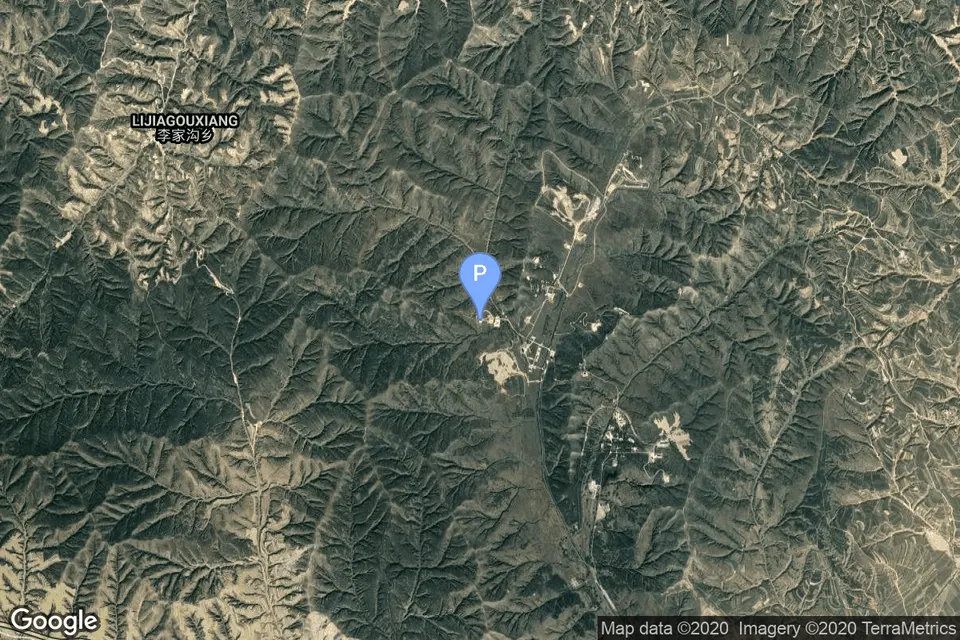
Launch Complex 16, Taiyuan Satellite Launch Center, People's Republic of China
9th launch from Launch Complex 16, 4th this year · 99th from Taiyuan Satellite Launch Center, People's Republic of China
16 launches from this pad · 162 from Taiyuan Satellite Launch Center, People's Republic of China
92 days after the previous launch from this pad
All launches from Taiyuan Satellite Launch Center, People's Republic of ChinaOpen in maps
Updates
Launch success.
Show 1 earlier update
Added launch per NOTAMs - note payload identity unknown & launch vehicle identity very uncertain.
Cosmic_Penguin · 11/4/2021 · source
Questions
When did SDGSAT-1 launch?
SDGSAT-1 launched on November 5, 2021. The time is known to the hour, not the minute.
Where can I watch SDGSAT-1?
No webcast is on record for this launch.
What rocket launched SDGSAT-1?
Long March 6, flown by China Aerospace Science and Technology Corporation. Long March 6 spec sheet
Where did SDGSAT-1 launch from?
Launch Complex 16, Taiyuan Satellite Launch Center, People's Republic of China.
What orbit did SDGSAT-1 reach?
It reached a 509 × 521 km orbit inclined 97.5°.
How many satellites did SDGSAT-1 launch?
1 payload from this launch is catalogued, still in orbit (Data from J. McDowell, planet4589.org).