![[AUTO] Electron - image](/media?u=https%3A%2F%2Fthespacedevs-prod.nyc3.digitaloceanspaces.com%2Fmedia%2Fimages%2Felectron_image_20190705175640.jpeg&w=1600)
Rocket LabElectronRocket Lab Launch Complex 1A, Rocket Lab Launch Complex 1, Mahia Peninsula, New Zealand
Make It Rain (Rideshare)
Launched
June 29, 2019

Summary
Make It Rain (Rideshare) launched on a Rocket Lab Electron from Rocket Lab Launch Complex 1A, Rocket Lab Launch Complex 1, Mahia Peninsula, New Zealand on June 29, 2019. It was Rocket Lab's 7th launch, 3rd this year and humanity's 5,861st orbital launch attempt. It was the 7th Electron flight and the 3rd this year. The payload was bound for low Earth orbit (LEO). PAINANI-1, one of 10 catalogued objects, reached a 459 × 468 km orbit inclined 45.0°. 10 objects from this launch are catalogued, 7 of them payloads.
- Watch
- Make It Rain Launch - 06/29/2019Rocket Lab
- Vehicle
- Electron · Rocket Lab
- Booster
- No booster details on record.
- Mission
- Dedicated Rideshare · Low Earth Orbit (LEO)
- Milestone
- 7th Electron flight · 3rd this yearRocket Lab's 7th launch3rd this yearhumanity's 5,861st orbital launch attempt41st orbital launch attempt this year
Webcast
Flight preview
Orbit: as tracked
PAINANI-1 · NORAD 44365 · 2019-037 · Space-Track · tracking 1 of 10 objects
Show the numbers for orbit elements
- Object
- TBA - TO BE ASSIGNED
- Object ID
- 2019-037A
- Epoch
- 2019-06-29 15:00:37 UTC
- Mean motion
- 15.36589259 rev/day
- Eccentricity
- 0.0006657
- Inclination
- 45.0103°
- Ascending node
- 286.8939°
- Arg. of perigee
- 276.3963°
- Mean anomaly
- 213.9971°
- Element set
- 999
- Rev at epoch
- 6
- B*
- 0
Perigee, apogee and period are Kepler figures from the catalogued mean elements, not a propagated state. Published orbit: LEO. Ascent drawn from padside's representative profile.
Catalogued objects
10 catalogued: 7 payloads, 2 rocket stages, 1 component; none still in orbit
- PAINANI-1 · NORAD 44365 · re-entered January 14, 2023
- Prometheus 2.9 · NORAD 44366 · re-entered June 6, 2022
- Global-3 · NORAD 44367 · re-entered May 16, 2023
- ACRUX 1 · NORAD 44369 · re-entered June 17, 2022
- SpaceBEE 9 · NORAD 44370 · re-entered December 16, 2021
- SpaceBEE 8 · NORAD 44371 · re-entered April 26, 2021
- Prometheus 2.7 · NORAD 44374 · re-entered May 20, 2022
Electron 7 Kick Stage · re-entered April 14, 2022
Electron 7 Stage 2 · re-entered March 16, 2020
Data from J. McDowell, planet4589.org
About this launch
Rideshare mission for Spaceflight. Electron will launch seven spacecraft, including a commercial Earth-observing microsatellite for BlackSky, two CubeSats for U.S. Special Operations Command, a pair of tiny prototype data relay nodes for Swarm Technologies, a student-built payload from Australia called ACRUX-1, and a satellite whose identity and owner remain a secret. The mission is named "Make it Rain" in a nod to the high volume of rainfall in Seattle, where Spaceflight is headquartered, as well in New Zealand where Launch Complex 1 is located.
Pad
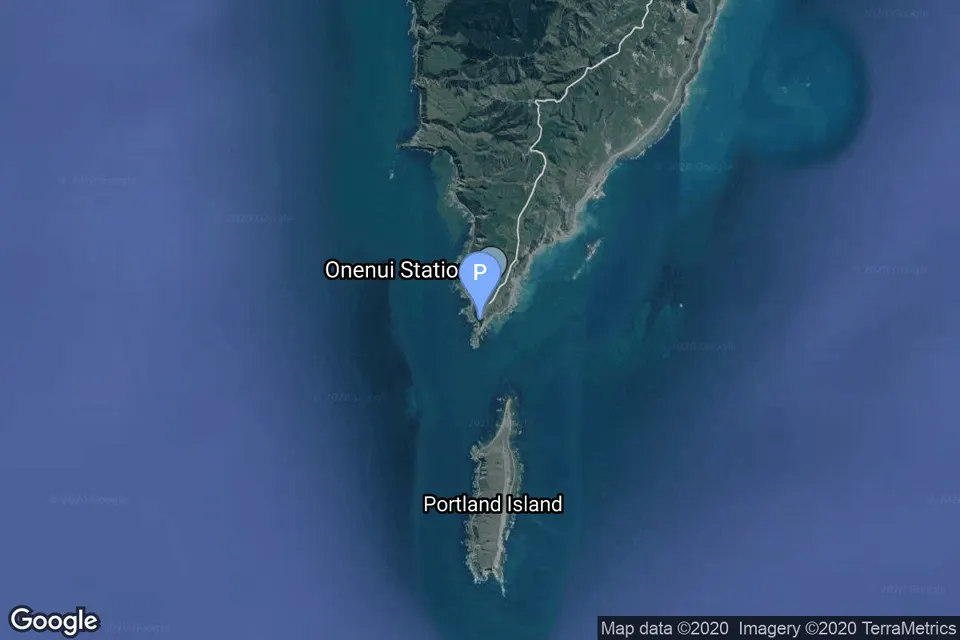
Rocket Lab Launch Complex 1A, Rocket Lab Launch Complex 1, Mahia Peninsula, New Zealand
7th launch from Rocket Lab Launch Complex 1A, 3rd this year · 7th from Rocket Lab Launch Complex 1, Mahia Peninsula, New Zealand
43 launches from this pad · 84 from Rocket Lab Launch Complex 1, Mahia Peninsula, New Zealand
54 days after the previous launch from this pad
All launches from Rocket Lab Launch Complex 1, Mahia Peninsula, New ZealandOpen in maps
Questions
When did Make It Rain (Rideshare) launch?
Make It Rain (Rideshare) launched on June 29, 2019. The time is known to the hour, not the minute.
Where can I watch Make It Rain (Rideshare)?
Coverage: Make It Rain Launch - 06/29/2019. Watch the replay
What rocket launched Make It Rain (Rideshare)?
Electron, flown by Rocket Lab. Electron spec sheet
Where did Make It Rain (Rideshare) launch from?
Rocket Lab Launch Complex 1A, Rocket Lab Launch Complex 1, Mahia Peninsula, New Zealand.
What orbit did Make It Rain (Rideshare) reach?
PAINANI-1, one of 10 catalogued objects, reached a 459 × 468 km orbit inclined 45.0°.
How many satellites did Make It Rain (Rideshare) launch?
7 payloads from this launch are catalogued, none of them still in orbit (Data from J. McDowell, planet4589.org).