
Russian Space ForcesSoyuz 2.1b Fregat-M43/3 (43L), Plesetsk Cosmodrome, Russian Federation
Glonass-K2 No. 14 (Kosmos 2584)
Launched
March 2, 2025 · 22:22 UTC
Image: Roscosmos
Summary
Glonass-K2 No. 14 (Kosmos 2584) launched on a Russian Space Forces Soyuz 2.1b Fregat-M from 43/3 (43L), Plesetsk Cosmodrome, Russian Federation on March 2, 2025 at 22:22 UTC. The launch window ran from 22:00 to 00:00 UTC. It was Russian Space Forces's 146th launch, 2nd this year and humanity's 6,892nd orbital launch attempt. It was the 31st Soyuz 2.1b Fregat-M flight and the 1st this year. The payload was bound for Medium Earth Orbit (MEO). Kosmos-2584, one of 2 catalogued objects, reached a 19,148 × 19,162 km orbit inclined 64.8°. 2 objects from this launch are catalogued, one of them a payload.
- Watch
- Russian Space Forces Glonass-K2 No. 14The Space Devs
- Vehicle
- Soyuz 2.1b Fregat-M · Russian Space Forces
- Booster
- No booster details on record.
- Mission
- Navigation · Medium Earth Orbit (MEO)for VKS
- Milestone
- 31st Soyuz 2.1b Fregat-M flight · 1st this yearRussian Space Forces's 146th launch2nd this yearhumanity's 6,892nd orbital launch attempt43rd orbital launch attempt this year
Flight preview
Orbit: as tracked
Kosmos-2584 · NORAD 63130 · 2025-042 · Space-Track · tracking 1 of 2 objects
Show the numbers for orbit elements
- Object
- TBA - TO BE ASSIGNED
- Object ID
- 2025-042A
- Epoch
- 2025-03-03 11:02:14 UTC
- Mean motion
- 2.12874673 rev/day
- Eccentricity
- 0.0002829
- Inclination
- 64.7927°
- Ascending node
- 88.8571°
- Arg. of perigee
- 284.4427°
- Mean anomaly
- 53.6351°
- Element set
- 999
- Rev at epoch
- 1
- B*
- 0
Perigee, apogee and period are Kepler figures from the catalogued mean elements, not a propagated state. Published orbit: MEO.
Catalogued objects
2 catalogued: 1 payload, 1 rocket stage; 2 still in orbit
- Kosmos-2584 · NORAD 63130 · in orbit
Fregat No. 112-17 · in orbit
Data from J. McDowell, planet4589.org
About this launch
Glonass-K2 are the fourth generation of satellite design for GLONASS satellite navigation system. GLONASS is a Russian space-based navigation system comparable to the similar GPS and Galileo systems. This generation improves on accuracy, power consumption and design life. Each satellite is unpressurized and weighs 1645 kg, and has an operational lifetime of 10 years.
Pad
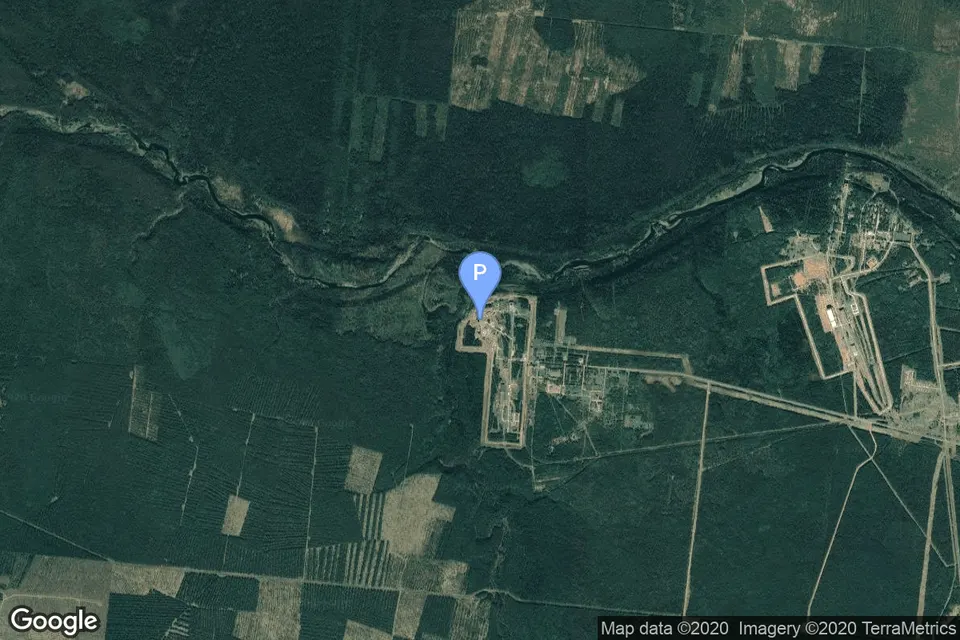
43/3 (43L), Plesetsk Cosmodrome, Russian Federation
230th launch from 43/3 (43L), 1st this year · 1,673rd from Plesetsk Cosmodrome, Russian Federation
Local pad time at liftoff: Mar 3, 1:22 AM GMT+3, at night
234 launches from this pad · 1,688 from Plesetsk Cosmodrome, Russian Federation
492 days after the previous launch from this pad
All launches from Plesetsk Cosmodrome, Russian FederationOpen in maps
Updates
Questions
When did Glonass-K2 No. 14 (Kosmos 2584) launch?
Glonass-K2 No. 14 (Kosmos 2584) launched on March 2, 2025 at 22:22 UTC. The launch window ran from 22:00 to 00:00 UTC.
Where can I watch Glonass-K2 No. 14 (Kosmos 2584)?
Coverage: Russian Space Forces Glonass-K2 No. 14. Watch the replay
What rocket launched Glonass-K2 No. 14 (Kosmos 2584)?
Soyuz 2.1b Fregat-M, flown by Russian Space Forces. Soyuz 2.1b Fregat-M spec sheet
Where did Glonass-K2 No. 14 (Kosmos 2584) launch from?
43/3 (43L), Plesetsk Cosmodrome, Russian Federation. Liftoff was Mar 3, 1:22 AM GMT+3 local time at the pad.
What orbit did Glonass-K2 No. 14 (Kosmos 2584) reach?
Kosmos-2584, one of 2 catalogued objects, reached a 19,148 × 19,162 km orbit inclined 64.8°.
How many satellites did Glonass-K2 No. 14 (Kosmos 2584) launch?
1 payload from this launch is catalogued, still in orbit (Data from J. McDowell, planet4589.org).