![[AUTO] Electron | Baby Come Back - image](/media?u=https%3A%2F%2Fthespacedevs-prod.nyc3.digitaloceanspaces.com%2Fmedia%2Fimages%2Felectron25202_image_20230719091624.jpg&w=1600)
Rocket LabElectronRocket Lab Launch Complex 1B, Rocket Lab Launch Complex 1, Mahia Peninsula, New Zealand
Baby Come Back (Rideshare)
Launched
July 18, 2023 · 01:27 UTC

Summary
Baby Come Back (Rideshare) launched on a Rocket Lab Electron from Rocket Lab Launch Complex 1B, Rocket Lab Launch Complex 1, Mahia Peninsula, New Zealand on July 18, 2023 at 01:27 UTC. The launch window ran from 23:30 to 01:30 UTC. It was Rocket Lab's 39th launch, 7th this year and humanity's 6,474th orbital launch attempt. It was the 39th Electron flight and the 7th this year. Booster 39 flew for the 1st time and landed at Pacific Ocean. The payload was bound for low Earth orbit (LEO). Starling 4, one of 9 catalogued objects, reached a 573 × 592 km orbit inclined 99.5°. 9 objects from this launch are catalogued, 7 of them payloads.
- Watch
- Rocket Lab 'Baby Come Back' LaunchRocket Lab
- Vehicle
- Electron · Rocket Lab
- Booster
- 39 · flight 1 · Parachute Landing at Pacific Ocean · landed53/55 landed here
- Mission
- Dedicated Rideshare · Low Earth Orbit (LEO)
- Milestone
- 39th Electron flight · 7th this yearRocket Lab's 39th launch7th this yearhumanity's 6,474th orbital launch attempt106th orbital launch attempt this year
Webcast
Flight preview
Orbit: as tracked
Starling 4 · NORAD 57386 · 2023-100 · Space-Track · tracking 1 of 9 objects
Show the numbers for orbit elements
- Object
- TBA - TO BE ASSIGNED
- Object ID
- 2023-100A
- Epoch
- 2023-07-18 04:18:36 UTC
- Mean motion
- 14.97331815 rev/day
- Eccentricity
- 0.0013668
- Inclination
- 99.457°
- Ascending node
- 324.5886°
- Arg. of perigee
- 285.2459°
- Mean anomaly
- 202.025°
- Element set
- 999
- Rev at epoch
- 1
- B*
- 0
Perigee, apogee and period are Kepler figures from the catalogued mean elements, not a propagated state. Published orbit: LEO. Ascent drawn from padside's representative profile. Booster return drawn from padside's representative arc.
Catalogued objects
9 catalogued: 7 payloads, 2 rocket stages; 7 still in orbit
- Starling 4 · NORAD 57386 · in orbit
- Starling 2 · NORAD 57387 · in orbit
- Starling 1 · NORAD 57388 · in orbit
- Starling 3 · NORAD 57389 · in orbit
- Lemur-2-Mano · NORAD 57390 · re-entered May 30, 2026
- Lemur-2-Deverill-M-T · NORAD 57391 · in orbit
- Telesat LEO 3 · NORAD 57392 · in orbit
Electron 39 Kick Stage · in orbit
Electron 39 Stage 2 · re-entered August 3, 2023
Data from J. McDowell, planet4589.org
About this launch
The "Baby Come Back" mission includes NASA's Starling project, which consists of four CubeSats designed to test technologies for future swarm missions. Telesat contributes the LEO 3 demonstration satellite, ensuring continuity for customers and ecosystem vendor testing. Additionally, two 3U satellites carrying GNSS-RO payloads from SpinGlobal will replenish their constellation of over 100 multipurpose satellites.
Pad
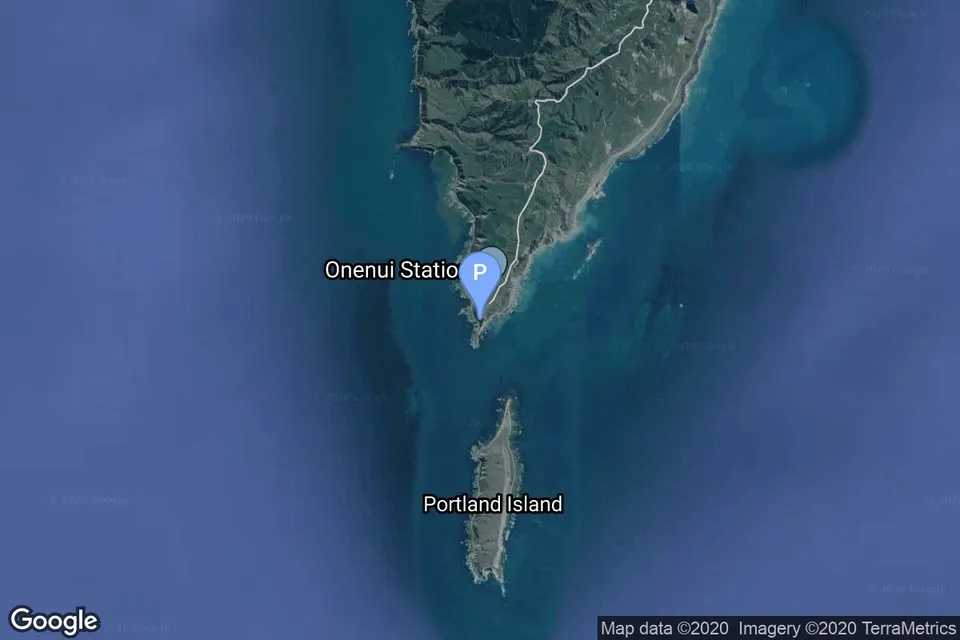
Rocket Lab Launch Complex 1B, Rocket Lab Launch Complex 1, Mahia Peninsula, New Zealand
10th launch from Rocket Lab Launch Complex 1B, 4th this year · 36th from Rocket Lab Launch Complex 1, Mahia Peninsula, New Zealand
Local pad time at liftoff: Jul 18, 1:27 PM GMT+12, in daylight
41 launches from this pad · 84 from Rocket Lab Launch Complex 1, Mahia Peninsula, New Zealand
52 days after the previous launch from this pad
All launches from Rocket Lab Launch Complex 1, Mahia Peninsula, New ZealandOpen in maps
Updates
Mission success confirmed
Show 9 earlier updates
Liftoff
JRascagneres · 7/18/2023 · source
Livestream has started
LL2 · 7/18/2023 · source
Updating T-0
SwGustav · 7/17/2023 · source
Delayed due to weather
Jay · 7/16/2023 · source
NET July 16 UTC.
Cosmic_Penguin · 7/13/2023 · source
Tweaked launch window
hitura-nobad · 7/8/2023 · source
Changed launch pad.
Cosmic_Penguin · 6/28/2023 · source
Added launch time.
Cosmic_Penguin · 6/22/2023 · source
NET July 14th
Jay · 6/22/2023 · source
Questions
When did Baby Come Back (Rideshare) launch?
Baby Come Back (Rideshare) launched on July 18, 2023 at 01:27 UTC. The launch window ran from 23:30 to 01:30 UTC.
Where can I watch Baby Come Back (Rideshare)?
Coverage: Rocket Lab 'Baby Come Back' Launch. Watch the replay
What rocket launched Baby Come Back (Rideshare)?
Electron, flown by Rocket Lab. Electron spec sheet
Where did Baby Come Back (Rideshare) launch from?
Rocket Lab Launch Complex 1B, Rocket Lab Launch Complex 1, Mahia Peninsula, New Zealand. Liftoff was Jul 18, 1:27 PM GMT+12 local time at the pad.
Did the booster land?
Booster 39 flew for the 1st time and landed at Pacific Ocean.
What orbit did Baby Come Back (Rideshare) reach?
Starling 4, one of 9 catalogued objects, reached a 573 × 592 km orbit inclined 99.5°.
How many satellites did Baby Come Back (Rideshare) launch?
7 payloads from this launch are catalogued, 6 of them still in orbit (Data from J. McDowell, planet4589.org).