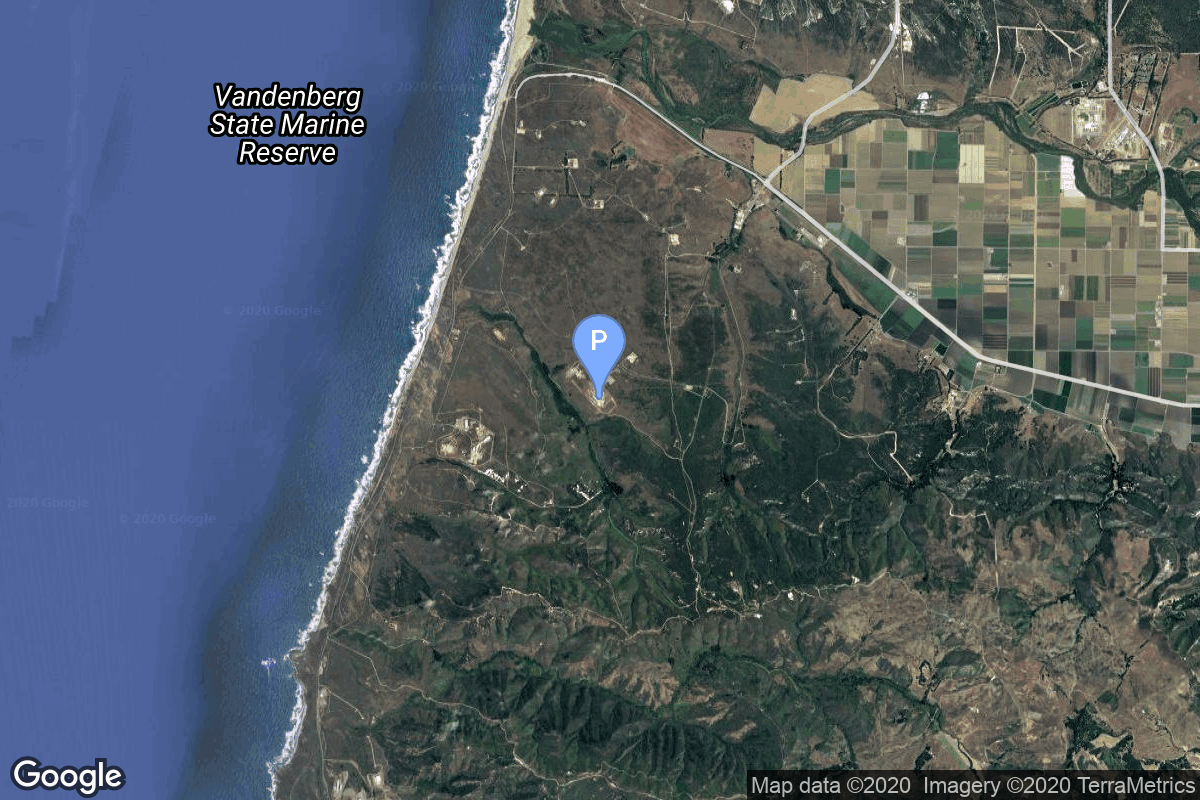
United Launch AllianceAtlas V 401Space Launch Complex 3E, Vandenberg SFB, CA, USA
Atlas V 401 | Landsat 8 (DCM)
Launch window
No countdown — this launch time is not yet known to the minute.February 11, 2013Add to calendar

United Launch Alliance's 69th launch · 2nd this year · humanity's 5,277th orbital launch attempt
The launch vehicle successfully inserted its payload(s) into the target orbit(s).
Window: Feb 11, 18:02 – Feb 11, 18:02 UTC
Flight preview
Landsat 8 (DCM)
Landsat 8 is an American Earth observation satellite launched on 11 February 2013. It is the eighth satellite in the Landsat program; the seventh to reach orbit successfully. Originally called the Landsat Data Continuity Mission (LDCM), it is a collaboration between NASA and the United States Geological Survey (USGS). NASA Goddard Space Flight Center in Greenbelt, Maryland, provided development, mission systems engineering, and acquisition of the launch vehicle while the USGS provided for development of the ground systems and will conduct on-going mission operations. It comprises the camera of the Operational Land Imager (OLI) and the Thermal Infrared Sensor (TIRS), which can be used to study Earth surface temperature and is used to study global warming.
Earth Science · Sun-Synchronous Orbit (SSO)
Booster
No booster details available.
Watch
- Atlas V LDCM Launch Highlights — United Launch Alliance
News
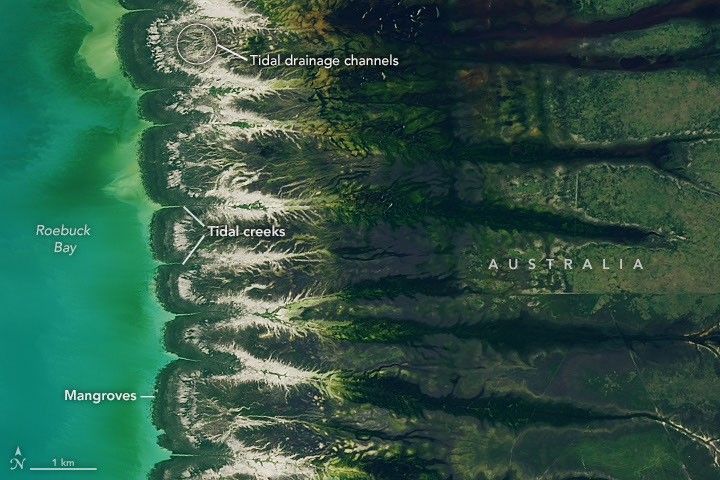
Bountiful Roebuck Bay
Tidal and seasonal shifts leave their mark on this crescent-shaped, productive bay in Western Australia’s Kimberley region.

A Tide-Fueled Trove of Biodiversity in Guinea-Bissau
The expansive mudflats, sandy beaches, and mangrove forests of the Bijagós archipelago support an array of migratory shorebirds and large numbers of sea turtles.

The Battle for Sullivan’s Island
Marshy, sandy terrain and an impassable inlet helped colonial forces repel British forces during a pivotal battle on the barrier island near Charleston, South Carolina, on June 28, 1776.

Nebraska’s Wide, Rolling Domain
The Nebraska Sandhills—the largest system of sand dunes in the Western Hemisphere—stretch across about one-quarter of the state.