
Institute of Space and Astronautical ScienceM-VMu Center, Uchinoura Space Center, Japan
ASTRO E
Launched
February 10, 2000
Image: NASA
Summary
ASTRO E launched on an Institute of Space and Astronautical Science M-V from Mu Center, Uchinoura Space Center, Japan on February 10, 2000. The mission failed. It was Institute of Space and Astronautical Science's 31st launch, 1st this year and humanity's 4,377th orbital launch attempt. It was the 3rd M-V flight and the 1st this year. The payload was bound for low Earth orbit (LEO).
- Watch
- No webcast on record.
- Booster
- No booster details on record.
- Mission
- Astrophysics · Low Earth Orbit (LEO)
- Milestone
- 3rd M-V flight · 1st this yearInstitute of Space and Astronautical Science's 31st launch1st this yearhumanity's 4,377th orbital launch attempt10th orbital launch attempt this year
Flight preview
About this launch
Astro E is a X-ray astronomy satellite bulit as a joint effort of NASA and the Japanese space agency ISAS. Observing the X-ray spectrum of the distant universe, Astro-E was to open a new window into the workings of black holes, neutron stars, active galaxies, and other very energetic objects. Astro E was lost in a launch vehicle failure in February 2000, but a repeat Astro E2 (renamed Suzaku after successful launch) was built to conduct the mission. It was launched in July 2005 aboard a Japanese improved M-5 rocket.
Pad
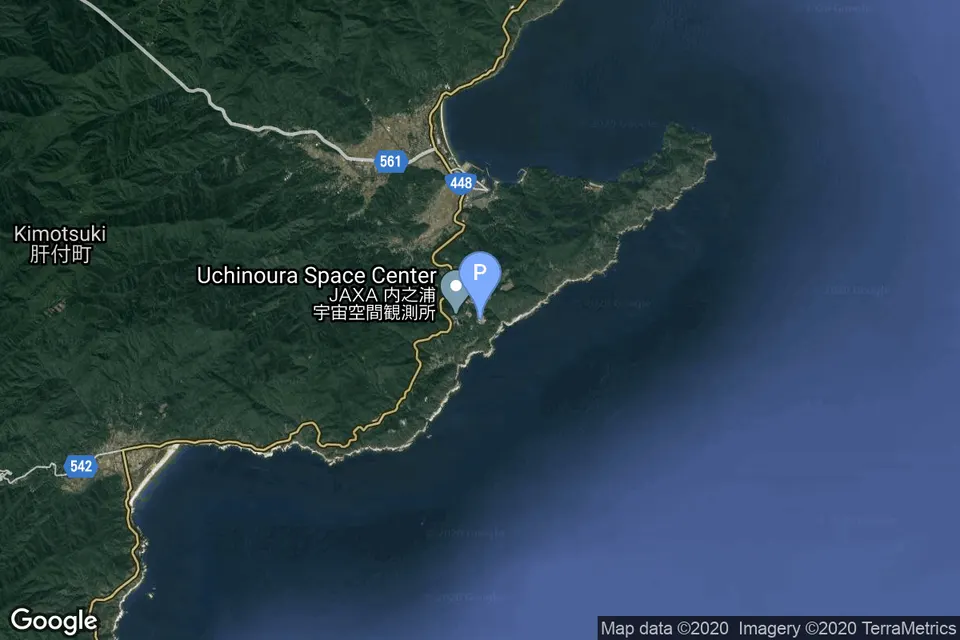
Mu Center, Uchinoura Space Center, Japan
26th launch from Mu Center, 1st this year · 31st from Uchinoura Space Center, Japan
36 launches from this pad · 43 from Uchinoura Space Center, Japan
586 days after the previous launch from this pad
Questions
When did ASTRO E launch?
ASTRO E launched on February 10, 2000. The time is known to the hour, not the minute.
Where can I watch ASTRO E?
No webcast is on record for this launch.
What rocket launched ASTRO E?
M-V, flown by Institute of Space and Astronautical Science. M-V spec sheet
Where did ASTRO E launch from?
Mu Center, Uchinoura Space Center, Japan.
What orbit was ASTRO E going to?
Low Earth Orbit (LEO), a astrophysics mission.